
The allure of risk-taking
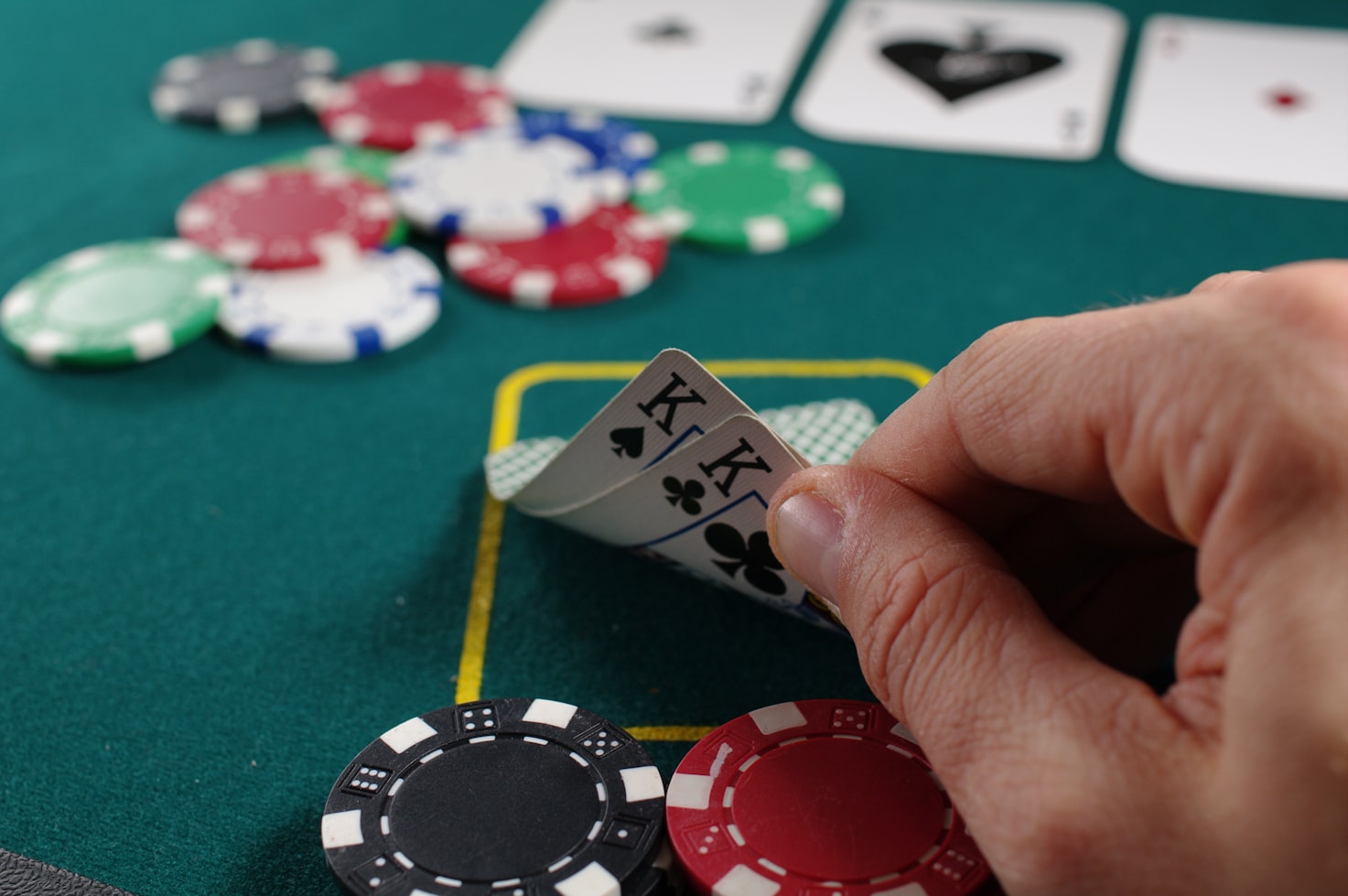
Risk-taking in casino games is often driven by a complex interplay of psychological factors. Players are drawn to the thrill of uncertainty, which can trigger feelings of excitement and anticipation. This rush is not just about potential financial gain; it taps into deeper emotional needs, including the desire for adventure and the dopamine release that accompanies the possibility of a win. Many are also interested in betting sites not on gamstop, which can intensify their gaming experience. The unpredictable nature of games like poker or blackjack can create an exhilarating environment where players feel alive and engaged.

The allure of risk-taking is also influenced by social and cultural factors. For many, the casino represents an escape from the mundane aspects of everyday life. The vibrant atmosphere, colorful lights, and sounds of victory contribute to a sensory experience that can be intoxicating. Peer pressure and communal excitement in group settings further amplify these feelings, making the experience of gambling not just an individual pursuit but a shared adventure that enhances the overall enjoyment.
The psychology of decision-making
Understanding risk-taking behavior in casino games necessitates an exploration of decision-making psychology. Behavioral economics plays a crucial role in elucidating why players often make irrational choices. Concepts such as loss aversion, where the fear of losing exceeds the pleasure of gaining, can lead to riskier bets in the hope of recouping previous losses. This emotional rollercoaster can cloud judgment and lead to a cycle of increased gambling.
Moreover, the concept of ‘chasing losses’ is prevalent in gambling psychology. Players may convince themselves that they can turn their fortunes around with just one more game, ignoring statistical probabilities in favor of impulsive decisions. This mindset highlights the struggle between rational thinking and the emotional pull of the moment, making casinos a fascinating study of human behavior.
The role of cognitive biases
Cognitive biases significantly influence risk-taking in casino games, often leading individuals to misinterpret odds and probabilities. The illusion of control, for example, can cause players to believe that their skills can alter outcomes in games of chance. This bias can encourage more frequent betting, as players feel empowered by their perceived ability to influence the game.
Another common bias is the gambler’s fallacy, where individuals believe that past events influence future outcomes. For instance, a player may think that if a slot machine hasn’t paid out in a while, it is ‘due’ for a win. This flawed reasoning can drive riskier behaviors, as players chase after what they believe are favorable odds, further entrenching them in gambling activities.
Emotional regulation and gambling
Emotional regulation plays a pivotal role in the psychology of risk-taking within casino settings. Many individuals gamble as a coping mechanism to manage emotions, seeking relief from stress or escapism from daily worries. This can create a troubling cycle where players become reliant on gambling for emotional stability, often leading to increased risk-taking behavior.
The interplay between emotions and decision-making can result in impulsive actions, particularly when players experience negative emotions like anxiety or disappointment. In these moments, individuals may double down on their bets to seek validation or restore a sense of control, often escalating their financial risks. Understanding this connection can be key in addressing problematic gambling behaviors and promoting healthier approaches to risk-taking.
Conclusion: The intersection of psychology and risk in casino games
Exploring the psychology behind risk-taking in casino games reveals a rich tapestry of emotional, cognitive, and social influences. These factors contribute to the allure of gambling, driving individuals to engage in behaviors that may defy logic. The excitement and thrill that come from uncertainty are deeply intertwined with our psychological makeup, creating an environment where risk can feel appealing and rewarding.
As we unpack these elements, one realizes the importance of awareness in gambling practices. Recognizing the psychological drivers behind risk-taking can lead to more informed decisions, fostering a balance between enjoyment and responsibility. For more insights into the complexities of human behavior and culture, stay connected and explore resources that promote understanding in various aspects of life.
